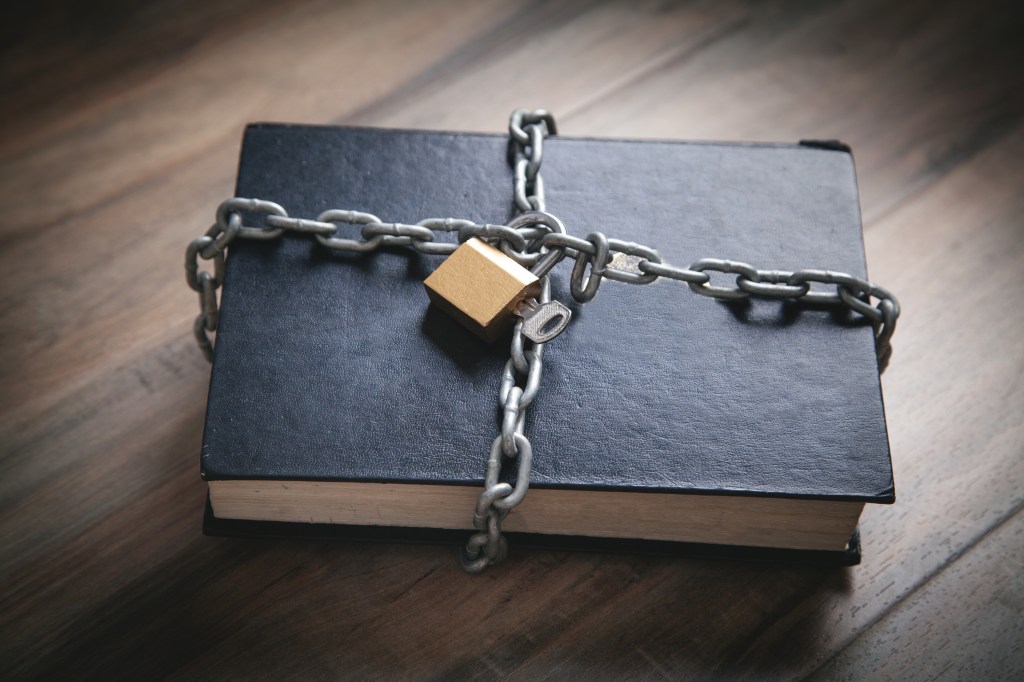
“Hi, my name is Kevin and I’m an addict,” I said as I shifted uncomfortably on my metal foldout chair in the small basement of the local church.
“Hi, Kevin,” a chorus of voices replied in unison.
The smell of burnt coffee was drifting over from a nearby table littered with a few remaining donuts, some blank name stickers, and a Styrofoam cup.
My throat tightened. My eyes began to glisten.
I looked down in shame. I could feel their eyes upon me but the words didn’t come. It took all my willpower just to walk in here tonight. I shook my head and leaned back in my chair, avoiding eye contact with anyone.
How did it get this bad, you might wonder?
It all started with the “A” word.
No, not alcohol.
Amazon.
Free 2-day shipping on any book in the world. Fiction, non-fiction, fantasy, history, biographies. I was hooked.
The problem is I’ve been buying books faster than I can read them for as long as I can remember. Here’s some super accurate and totally verifiable scientific data I’ve compiled on the problem:

And this wouldn’t be a problem except books are expensive and I happen to run a website all about helping people spend less money. I’m the Author, CEO, and Intern of PoorChoices.org.
I don’t want to be a fraud, so I recently decided to do some introspection on this addiction.
I’m a big proponent of knowing what you value most in life and then spending money on it guilt-free (assuming you are saving for the future and also have a safety net of immediate cash savings that you don’t touch).
For example, I value relationships so I enjoy spending money on friends and hosting little events at my house like card games or bonfires. I value health so I spend money on high-quality supplements and a gym membership. I also value privacy and independence so I recently spent money on a nice patio with landscaping where I can read peacefully.
By knowing your values, you can spend your money in line with them to achieve the most satisfaction and minimize buyer’s remorse. The opposite end of this spectrum is to avoid spending money on things you don’t value.
For example, I don’t value living in a big city, driving a new car, or going out to eat at an expensive restaurant so I don’t spend money on those things.
Then it hit me and all the guilt washed away. I value knowledge, self-improvement, and distraction-free activities. Which makes books a perfect candidate for spending in line with my values. Books provide all these things and more.
They are entertainment. They can calm your stress. Books can make you a better critical thinker and give you a broad range of knowledge. Books can tap into nostalgia when you read them again and if you are buying paper books (which you should be), they can help improve your attention span.
Unlike reading on your phone or laptop, there’s no blue light, text messages, or distractions to interfere with the experience. Unlike Netflix or Hulu, there’s no rotating catalog of availability. The subscription fee never comes due. You can even read without electricity if you want.
If you’re anything like me and you buy more books than you can read, rest easy knowing there are a ton of good reasons to do so. (Unless, of course, you don’t value those things as highly as I do, which is totally fine. You’re just wrong. And you should feel bad.)
But perhaps the best thing about books is that once you buy one, you don’t need to read it immediately. It can sit on the shelf, ready and waiting for when you do want to read it.
My last thought is that sometimes a little bit of control is warranted. There is actually a dopamine hit that comes from the thought of reading a book that you think you will like. This hit can be enough to make you click “Add to Cart” and buy it.
But if you are truly reading books at a snail’s pace and buying them faster than the UPS driver can keep up with, it might be time to utilize the “Add to Wishlist” feature instead of the shopping cart. Not to mention ensuring you are carving out time to read each day.
After all, if you’re buying that many books, you should be doing so because it’s related to a value and that value can only be fulfilled if you actually read them.
Look for opportunities to read both small and large.
Take the TV out of the bedroom and read before bed. Put a book in the bathroom instead of doomscrolling. Bring the latest book you’re reading to the barbershop, DMV, or airport and break it out while you’re waiting.
Instead of feeling bad about buying books like I was doing, see if you can view the problem differently. It may not be a problem at all.
As founder and author of PoorChoices.org, Kevin Hall writes about the world of personal finance and investing… albeit poorly. But don’t take his word for it. Come see for yourself! Subscribe to his newsletter to be notified about each lackluster article the minute it’s posted.
 ED A. MURRAY